
My teaching is shaped by the conviction that studying the past requires grappling with how it persists in the present. Whether through monuments, propaganda images, or digital media, the courses I design ask students to treat historical sources as both evidence and argument, paying attention to the choices embedded in what societies choose to preserve, display, and narrate. I encourage students to approach memory and heritage as active political processes rather than settled outcomes, and I bring my own research into the classroom to model how scholarly questions emerge from sustained engagement with archives, landscapes, and communities.
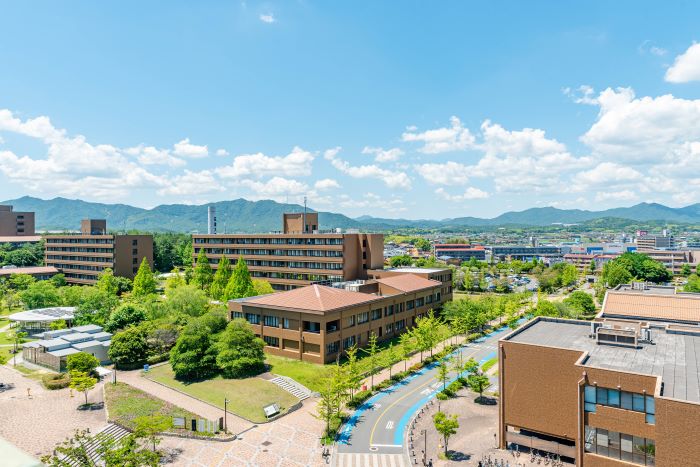
Hiroshima University
Politics of Conflict and Memory (Graduate, Autumn Term, 2023–present)
Syllabus
This seminar explores how political conflicts generate competing memories and how those memories, in turn, shape political possibilities. Students examine case studies from Southeast Asia, East Asia, and beyond, analyzing monuments, museums, commemorative rituals, and transitional justice mechanisms as sites where collective memory is negotiated. The course draws on interdisciplinary frameworks from memory studies, heritage studies, and international relations to understand the relationship between remembering, forgetting, and political power.
Visualization of War (Undergraduate, Spring Term, 2023–present)
Syllabus
This course trains students to analyze visual representations of war, from propaganda posters and wartime photography to film, monuments, and digital media. Students develop skills in visual analysis while interrogating how images of conflict serve political, nationalist, and humanitarian purposes. The course emphasizes the gap between wartime experience and its visual mediation, asking students to consider what gets shown, what gets hidden, and why.
Peace and Coexistence A & B (Graduate, Co-teaching, 2023–present)
An omnibus lecture series that brings together faculty from across disciplines to examine the conditions for peace and coexistence in diverse contexts. My contributions focus on the role of memory, heritage, and historical narratives in peacebuilding and post-conflict reconciliation.

University of the Philippines Los Baños
Philippine History (Undergraduate, 2011–2013; 2014–2016)
A foundational course that guided students through Philippine history from pre-colonial societies to the contemporary period. The course emphasized primary source analysis and encouraged students to think critically about how Philippine historical narratives have been constructed, revised, and contested across different political eras.
The Life and Works of Jose Rizal (Undergraduate, 2011–2013; 2014–2016)
Required of all Filipino university students, this course examined the life, writings, and legacy of the national hero Jose Rizal. Beyond the biographical narrative, the course encouraged students to read Rizal’s novels and essays as interventions in colonial discourse and to consider how his legacy has been appropriated across different political moments in Philippine history.
 JOHN LEE CANDELARIA